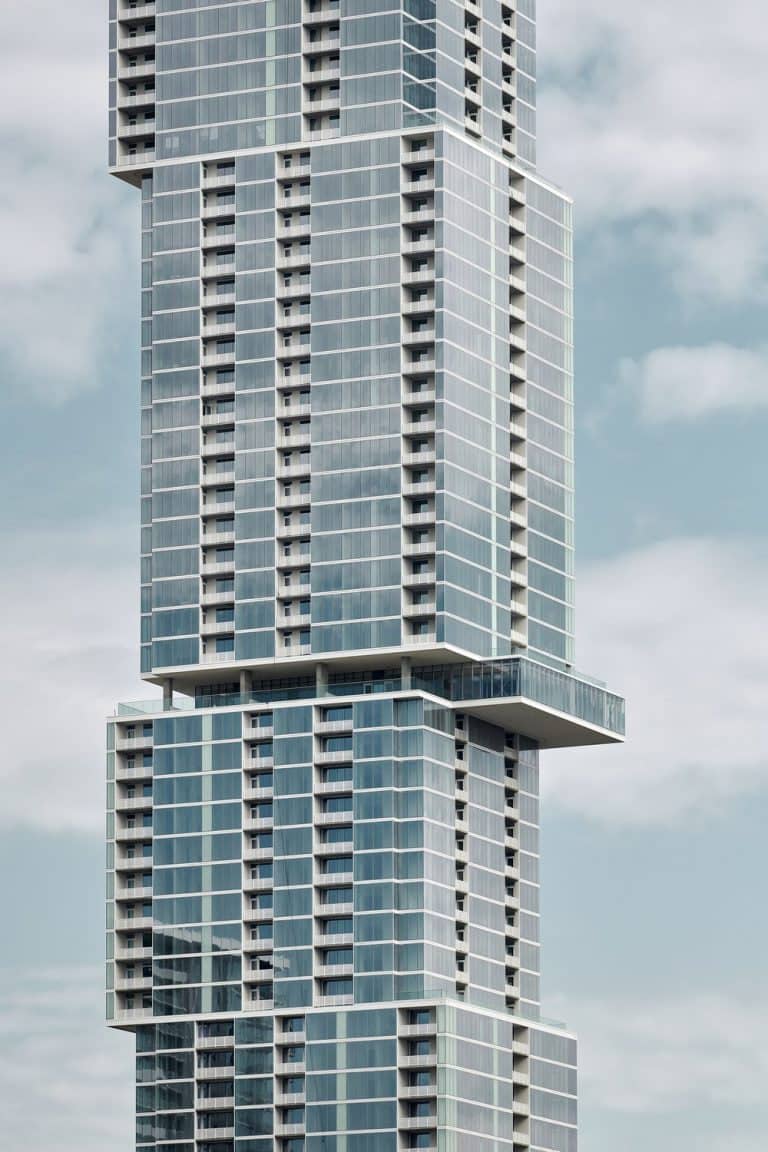
Buying a condominium in central Austin
A large share of what is for sale here is a condominium, and the decision turns on two things a house never raises.
61% of what is for sale in the five central ZIP codes is a condominium rather than a house. That majority is why the decision matters here, and it turns on two things a house purchase never raises: what the dues actually buy, and whether a lender will finance the building at all.
The dues are notthe number.The dues per foot are.
What the dues run
Low dues and cheap to own are not the same thing
Across 559 central Austin condominiums carrying monthly dues, the median is $512 a month. That figure is almost useless on its own, because a thousand square feet and twenty five hundred square feet are both in it. Per square foot the median is $0.55 a month, across 559 units, and that is the number to compare buildings with.
The spread by ZIP is about 3.1 to 1: a median of $898 in 78701 against $293 in 78702. That is not the same product priced differently. A downtown tower is buying concierge coverage, a pool deck, elevators, structured parking and a building envelope forty stories tall. A low-rise off a side street is buying lawn care, water and a roof. Both are called dues.
| ZIP | Condos listed | Median dues | Per sq ft |
|---|---|---|---|
| 78701 | 211 | $898 | $0.85 |
| 78702 | 67 | $293 | $0.37 |
| 78703 | 54 | $493 | $0.57 |
| 78704 | 166 | $424 | $0.44 |
| 78705 | 122 | $311 | $0.39 |
Monthly dues as listed, not audited. Live from the MLS feed as of October 17, 2026 at 11:28 AM CDT. Buildings billing quarterly or annually are excluded rather than converted.
And then there is the question nobody asks until it is too late
Whether a lender will lend on the building. Not on you, on the building. It is reviewed separately from your file, it is called project review, and a buyer with perfect credit can be declined because of something the association did years ago.
A conventional loan on a condominium requires the project to meet Fannie Mae or Freddie Mac eligibility rules, and most lenders add their own conditions on top. The review looks at how much of the building is owner occupied against rented, how much of it one owner or entity controls, how much floor area is commercial, whether reserves and the reserve study are adequate, whether the association is in litigation, and whether the declaration gives the association a right of first refusal on a sale.
I am not going to print the thresholds. They are set by the agencies and adjusted by each lender, they move, and a percentage published here with no date on it is the kind of confident wrong number this site exists not to publish. What matters is that the question is answerable before you are committed, and that it is a question about a specific building rather than about condominiums in general. A building that one lender declines, another will write.
If the loan is FHA, there is a public answer. HUD maintains a register of approved condominium projects, so an unapproved building is a fact you can check yourself in a minute rather than a surprise three weeks in. It is at HUD’s condominium lookup.
How I work with buyersWhat to get, and what to read first
- 01 / The resale certificate
- The association's own disclosure of what it charges, what it owes, what it is suing or being sued over, and what it has resolved to spend. Texas Property Code 82.157 governs it for condominiums, and unlike the subdivision version under 207.003 there is no statutory cap on what the association may charge to produce it. Read the assessment history and the litigation line first.
- 02 / The declaration and bylaws
- Where the right of first refusal lives, if there is one, along with leasing restrictions, pet rules, what the association insures and what you insure, and whether short-term letting is permitted. Buyers who plan to rent a unit out discover the restriction here or they discover it after closing.
- 03 / The minutes and the reserve study
- Twelve to twenty four months of board minutes tell you what is about to be spent and whether the board is fighting about it. The reserve study tells you whether the money for it exists. An association with thin reserves and an ageing envelope is an assessment waiting to be voted on, and a third of the central Austin condominium stock was built before 1990.
- 04 / The assessment history
- Not the dues, the assessments. Ask what has been levied in the last five years and what is proposed. A building with low dues and a pattern of special assessments is not a cheap building, it is a building that bills differently.
- 05 / Project review, in writing
- Ask your lender to run the building, not just your file, and to say in writing that the project is eligible for the loan you are using. Do it in the option period. This is the step that fails late and it is the one nobody schedules.
The practical part
A house’s option period is too short for a condominium
An option period in this market usually runs 5 to 10 days, for $100 to $500. On a house that is enough: the inspector comes, you read the report, you decide. On a condominium the same window has to absorb the resale certificate arriving, the minutes and the reserve study being read, and a lender completing project review on the building. Those have their own clocks and none of them is yours.
So the condominium version of that paragraph is to negotiate the days up front rather than discover on day six that the association has ten business days to produce the certificate. It is the cheapest thing you will do in the whole transaction and almost nobody asks for it.
You also will not order a survey, which a house usually needs: there is no lot to survey. The resale certificate and the declaration do that work instead. What a buyer pays at closing in Texas, survey included, is on the buying page.
Questions condominium buyers ask
Why are condominium dues so different between buildings in Austin?
Because they are buying different things. A downtown tower covers concierge staffing, elevators, structured parking, amenity decks and a building envelope many stories tall. A small low-rise covers lawn care, water and a roof. The table above shows the median by ZIP code, computed from current listings, and the right way to compare two buildings is dues per square foot rather than dues.
What does warrantable mean, and why would a lender refuse a building?
A warrantable condominium is one whose project meets Fannie Mae or Freddie Mac eligibility rules, so a conventional loan can be sold on. A project can fall outside them on the share that is rented rather than owner occupied, how much one entity owns, how much of the floor area is commercial, reserve adequacy, pending litigation, or a right of first refusal in the declaration. It is a judgment about the building, not about the buyer, which is why strong borrowers get surprised by it. Financing is still possible through portfolio lending, usually on different terms.
How do I check whether a building is FHA approved?
HUD publishes the register. Search the building at HUD’s condominium lookup. If it is not listed, an FHA loan is not available on it as things stand, and that is worth knowing before you write rather than after.
Do I need a survey when I buy a condominium?
Generally no, because there is no lot to survey. The declaration and the plat define the unit and the common elements instead, and the resale certificate carries the association’s disclosures. That is one cost a condominium buyer does not have, and it is on the buying page among the ones you do.
How long should the option period be on a condominium?
Longer than on a house, and it has to be negotiated when the offer is written rather than extended later. The same window has to hold the resale certificate arriving from the association, the minutes and reserve study being read, and the lender finishing project review on the building. Those run on the association’s clock and the lender’s, not yours.
Ask about a building
Name the building and I will tell you what I know from walking it, and what the feed shows there now.

Listings courtesy of Unlock MLS as distributed by MLS GRID
Based on information submitted to the MLS GRID as of October 17, 2026 at 11:28 AM CDT. All data obtained from various sources and may not have been verified by broker or MLS GRID.
Any use or search of data on the website, other than by a consumer looking to purchase real estate, is prohibited.